.avif)
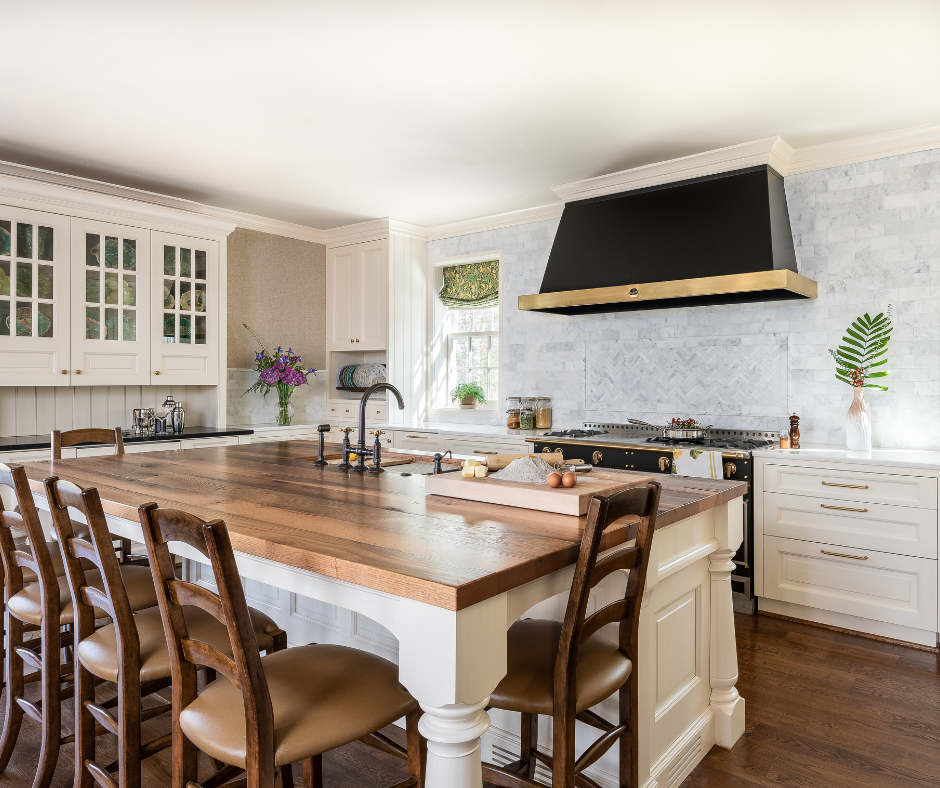
The Foundation of Enduring Kitchen Design
A truly timeless kitchen is more than an aesthetic choice; it is a long-term investment in your home and your quality of life. In the world of design, trends come and go, but the principles of a lasting kitchen remain constant. We define timeless design as a synthesis of superior functionality, high-quality materials, and a layout that serves you and your family for decades. The goal is to create a space that supports and adapts to your changing life, avoiding the expensive and wasteful cycle of trend-driven renovations.
This approach is rooted in a commitment to kitchen design for longevity. It means crafting a space that feels as right in twenty years as it does today. This is achieved not by chasing the latest style, but by adhering to core tenets of material integrity, functional layouts, elegant simplicity, and thoughtful personalization. When a kitchen is built on these principles, it becomes the true heart of the home, a backdrop for memories that is both beautiful and hardworking. The following sections will explore how to bring these elements together to create a kitchen that endures.
Choosing Materials That Age Gracefully

The soul of a timeless kitchen lies in its materials. While trendy, manufactured products can quickly date a space, classic kitchen materials possess an inherent character that only deepens with time. Natural stone countertops are a prime example of a worthwhile investment. Stones like marble, quartzite, and soapstone each have unique qualities, but they all share an ability to age gracefully. Marble develops a rich patina, where the small etches and marks from daily life become part of its story. Soapstone darkens beautifully over the years, and any scratches can be easily oiled or sanded away, adding to its rustic charm.
This philosophy extends to backsplashes and flooring. A classic subway tile, perhaps laid in an elegant herringbone or a clean stacked pattern, offers texture without overwhelming the senses. For a truly seamless and luxurious statement, a continuous slab of stone that matches the countertop creates an unbroken plane of beauty. For flooring, natural hardwood brings warmth and resilience underfoot, while stone tiles like slate or travertine offer a robust, earthy quality that grounds the entire room. These choices create a cohesive and enduring foundation. Exploring our portfolio of completed projects can provide tangible inspiration for how these classic materials come together in a cohesive design.
Comparing Timeless Natural Stone CountertopsMaterialAestheticDurability & MaintenanceHow It AgesMarble (e.g., Calacatta, Carrara)Classic, elegant veining, bright appearance.Porous and softer; requires sealing. Prone to etching and staining.Develops a rich patina; etching becomes part of its story.QuartziteOften mimics marble but with more resilience.Very durable, harder than granite. Resists heat and scratches. Requires sealing.Maintains its original look with proper care; highly resistant to wear.SoapstoneMoody, deep color with subtle veining.Non-porous, antibacterial. Scratches can be easily sanded or oiled out.Darkens over time, developing a deeper, more uniform color. Scratches add to its rustic charm.
This table compares the key characteristics of popular natural stones used in luxury kitchen remodeling. The choice depends on the homeowner's lifestyle and aesthetic preference, whether they prefer a material that tells a story like marble or one that offers maximum resilience like quartzite.
The Power of a Neutral and Versatile Palette
With a foundation of quality materials in place, the next consideration is color. A neutral palette of whites, creams, soft grays, and beiges serves as a quiet, sophisticated backdrop for a timeless kitchen. These hues allow the beauty of the natural stone, the richness of the wood, and the fine architectural details to take center stage. A common concern is that a neutral kitchen might feel sterile or cold, but this can be easily avoided with thoughtful layering.
Building depth and warmth within a neutral scheme is an art form. Consider these techniques:
- Layering Tones: Pair off-white cabinets with a slightly darker greige wall or a soft taupe backsplash. This creates subtle contrast and visual interest without introducing a bold color.
- Incorporating Texture: Mix different finishes and materials. A matte finish on cabinets, the gentle weave of linen window treatments, and the smooth grain of a wooden bowl on the counter all contribute to a rich, tactile experience.
When you do want to introduce color, do so in a way that is adaptable. A kitchen island painted in a classic deep navy or forest green can serve as a stunning focal point that is easier to update than an entire room of cabinetry. Color can also be added through elements that are simple to change, such as bar stools, area rugs, or artwork. This strategy gives you the freedom to evolve your style without committing to a permanent trend.
Cabinetry Styles That Stand the Test of Time
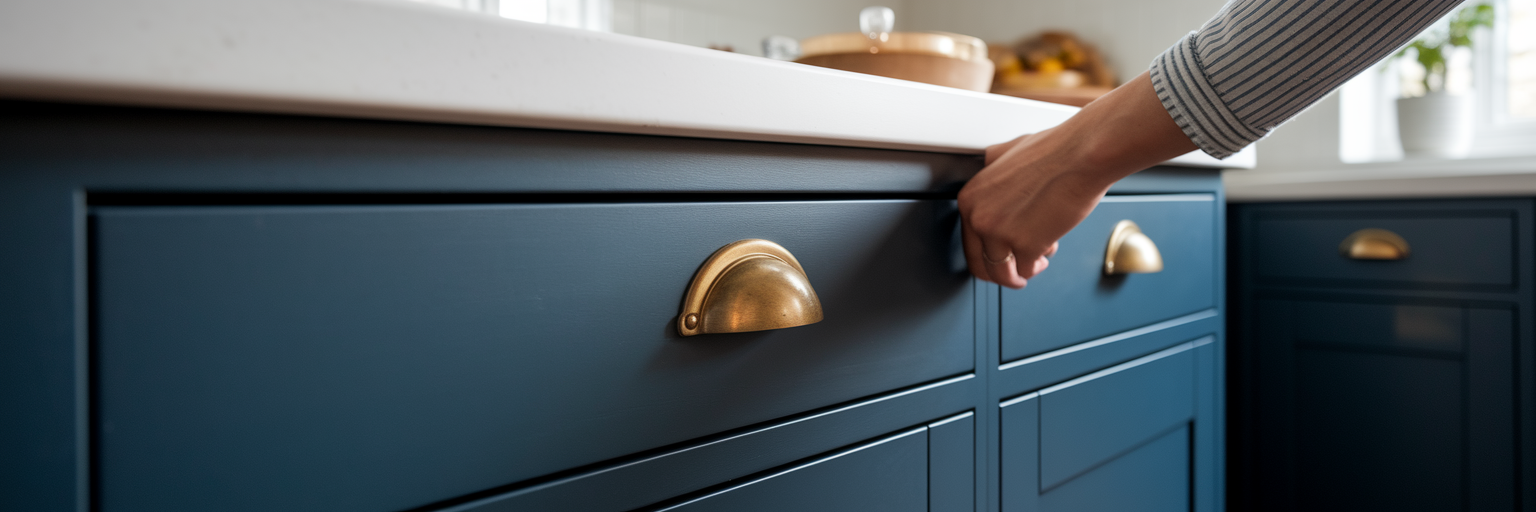
Cabinetry is the furniture of your kitchen, and its style and quality are paramount for a design that lasts. Among the most enduring styles are Shaker style kitchen cabinets. Their clean lines, simple construction, and lack of ornate detailing make them incredibly versatile. They can feel at home in a traditional farmhouse or a sleek, modern space, adapting to their surroundings with grace. This adaptability is the hallmark of a truly timeless element.
Beyond style, construction quality is a non-negotiable aspect of luxury kitchen remodeling. Solid wood frames, dovetail joinery in drawers, and high-quality soft-close hardware are not just features; they are investments in durability. These details ensure your cabinets function flawlessly for decades, resisting the wear and tear of daily use. Think of hardware as the jewelry of the kitchen. Classic finishes like polished nickel, unlacquered brass, or oil-rubbed bronze age beautifully, developing a patina that complements the other natural materials in the room.
For those seeking the pinnacle of craftsmanship, inset cabinetry offers a refined, furniture-like appearance. With this style, the cabinet doors and drawers sit flush within the frame, requiring precise construction that signals superior quality. Understanding the nuances between custom and semi-custom options is key to making an informed decision. Reviewing our curated selection of high-quality cabinet products demonstrates the difference craftsmanship makes in achieving a lasting design.
Functionality as the Cornerstone of Timelessness
A beautiful kitchen that doesn't work well is a failure of design. True timelessness is rooted in usability. The most critical functional feature of any kitchen is its layout. While the classic "kitchen work triangle" was a useful concept, modern kitchens have evolved to accommodate more flexible workflows. The key to how to design a functional kitchen today lies in creating distinct "work zones."
- Prep Zone: Ample counter space, often on an island, with easy access to a sink and trash receptacles.
- Cooking Zone: The area containing the cooktop and ovens, with nearby storage for pots, pans, and spices.
- Cleaning Zone: Centered around the main sink and dishwasher, with convenient storage for dishes and glassware.
This approach creates an intuitive flow that remains efficient for years, whether you are cooking alone or with family. As noted by design experts at The Spruce, incorporating layout principles that have been emblematic of kitchens for centuries ensures the space remains relevant. A thoughtfully designed layout, like in this Washington D.C. project we completed, demonstrates how creating distinct zones can transform a kitchen's efficiency. Integrated storage, such as custom pantries, deep drawers for pots, and clever pull-outs, is also essential for maintaining the clean, uncluttered aesthetic that defines a timeless space.
Illumination and Fixtures for Lasting Appeal
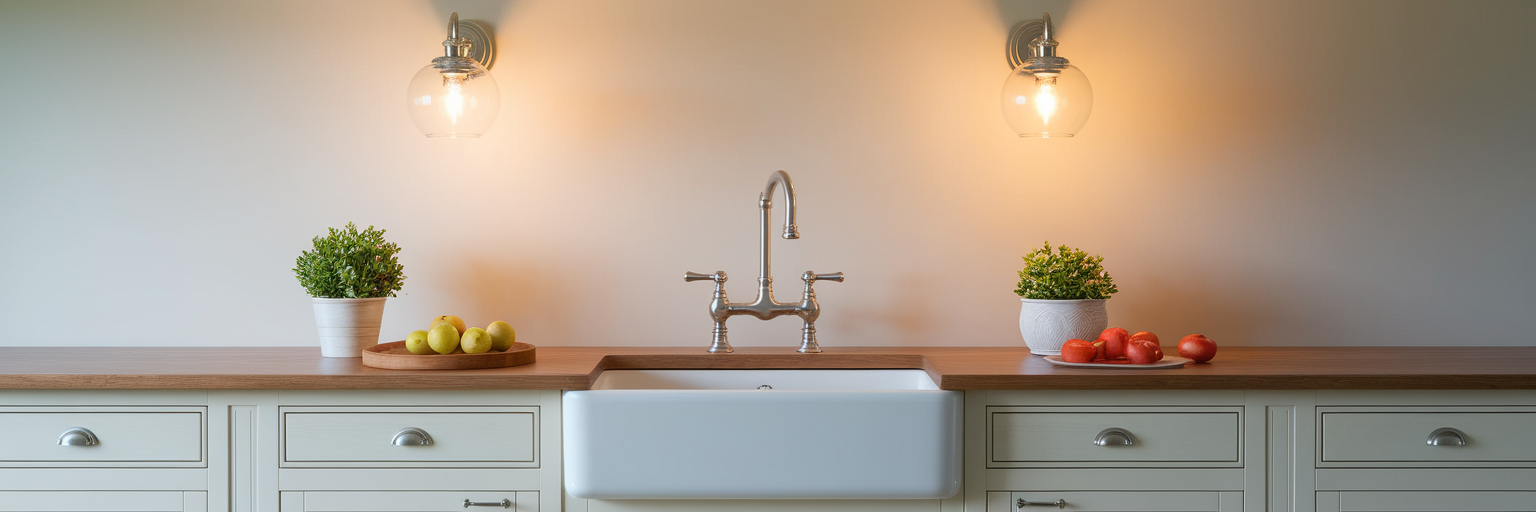
Lighting and fixtures are the finishing touches that can make or break a timeless design. A well-lit kitchen is both more functional and more beautiful. The best approach is to use layered lighting, which combines three types of illumination to create a balanced and inviting atmosphere.
- Ambient Lighting: This is the overall light for the room, typically provided by recessed ceiling lights or a central flush-mount fixture. It sets the base level of brightness.
- Task Lighting: This is focused light for work areas. Under-cabinet LED strips are essential for illuminating countertops, making prep work safer and easier.
- Accent Lighting: These are the decorative fixtures that add character and style. Pendants over an island or sconces flanking a window can serve as beautiful focal points.
When selecting these fixtures, opt for simple, classic shapes in glass or metal. Avoid overly ornate or trendy designs that will quickly look dated. The same principle applies to plumbing fixtures. An apron-front sink, also known as a farmhouse sink, offers ergonomic benefits and an enduring look. Pair it with a classic gooseneck or bridge faucet in a durable finish like polished nickel or unlacquered brass that coordinates with your cabinet hardware. These cohesive choices enhance both the function and the beauty of the space.
Personalizing Your Space for an Authentic Feel
Finally, a truly timeless kitchen must feel like your own. It should be a reflection of your personality and lifestyle, not a generic showroom. This is where you infuse the space with soul. Use open shelving to display heirloom dishware, your collection of cookbooks, or pieces of art. Mix old and new elements, like placing a vintage rug on a modern stone floor or pairing contemporary bar stools with a classic marble island. These personal touches are what transform a well-designed room into a cherished home.
Bringing these timeless kitchen design ideas to life starts with a conversation. To translate your personal vision into a functional and beautiful space, book a consultation with a design expert.