.avif)

Honoring Tudor Architectural Hallmarks
The charm of Tudor architecture, with its roots in 15th and 16th-century England, lies in its storybook character. These homes are defined by their handcrafted details, from exposed dark wood beams and half-timbering to prominent stone fireplaces and leaded glass windows. When approaching a Tudor style kitchen design, the primary challenge is not just updating a room but respecting the home’s soul. How do you introduce modern appliances and an open, functional layout without erasing the very history that makes the space special? The goal is to create a harmonious blend where contemporary needs are met within a framework of authentic, rustic elegance. This philosophy of honoring a home’s inherent character is central to our entire design approach, ensuring every renovation feels both new and timeless.
Selecting Cabinetry with Tudor Character

Traditional Wood and Craftsmanship
The most impactful element in a Tudor kitchen is the cabinetry. To achieve an authentic look, start with the right materials. Rich, dark wood kitchen cabinets made from oak, walnut, or mahogany immediately ground the space in tradition. It’s the details, however, that truly capture the Tudor spirit. Think raised-panel doors, inset construction, and decorative moldings that suggest handcrafted quality. The hardware should feel just as substantial. Hand-forged wrought iron or unlacquered antique brass pulls and latches add a layer of texture and history that simple, modern hardware cannot replicate. These elements work together to create a kitchen that feels as though it has always been part of the home.
Contrasting for Light and Balance
While dark wood is classic, it can feel overwhelming in a smaller kitchen or one with limited natural light. A beautiful alternative is to use color to create contrast and brightness. Custom cabinetry painted in a soft, warm cream, a muted putty, or an earthy green can balance the weight of dark ceiling beams and trim. This approach maintains a period-appropriate feel while making the space feel more open and inviting. When considering the best cabinets for Tudor homes, the choice between dark stains and painted finishes depends entirely on the room’s unique features and your personal vision. Exploring our custom and semi-custom cabinetry options can help you find the perfect finish to complement your home’s historic character.
Crafting a Rich and Balanced Color Palette
Color is a powerful tool for evoking a sense of history. A successful Tudor kitchen color palette draws from rich, earthy tones that feel both cozy and sophisticated. Consider incorporating hues like:
- Deep forest green
- Rich burgundy or claret
- Earthy browns and ochre
- Muted navy blue
- Warm creams and off-whites
The key is balance. Pair these deeper colors with lighter, warm neutrals on walls or backsplashes to prevent the space from feeling too heavy. The finish is just as important as the color itself. Matte or satin paint finishes absorb light, creating a soft, velvety effect that complements the natural materials found in Tudor homes. High-gloss finishes, on the other hand, can feel jarringly modern. For an added layer of authenticity, materials like limewash or a subtly textured plaster on the walls can enhance the room’s historic character.
Choosing Enduring Countertops and Backsplashes

The surfaces in your kitchen should feel as substantial and timeless as the house itself. For a traditional kitchen design, focus on natural materials with texture and a non-reflective finish. Instead of polished stone, opt for honed, leathered, or matte surfaces that have a softer, more organic feel. Soapstone is an excellent choice, as it develops a beautiful patina over time that adds to the room’s character. Honed granite or marble with subtle, organic veining also works wonderfully. These materials offer durability without sacrificing the historic aesthetic.
For the backsplash, consider options that add texture and warmth. Handcrafted ceramic tiles with slight irregularities in shape and glaze lend an artisanal touch. A brick veneer accent behind the range can echo exterior details, while a simple stone slab that continues up from the countertop creates a seamless, elegant look. While modern materials like pure white quartz are popular, they can feel out of place in a Tudor setting unless carefully balanced with warmer, more traditional elements.
Note: This table compares materials based on their ability to complement a Tudor aesthetic while considering practical, long-term performance in a modern kitchen.
Grounding the Space with Authentic Flooring
The floor is the foundation of your kitchen’s design, connecting all the other elements. For an authentic Tudor house interior design, wide-plank hardwood floors are a superb choice. A medium to dark stain can echo the exposed ceiling beams, creating a cohesive and enveloping feel. Natural stone floors, such as slate or flagstone, offer a rustic and incredibly durable alternative that feels rooted in the home’s history. Tile can also be used to introduce pattern and personality. Terracotta tiles bring an earthy warmth, while patterned encaustic tiles can create a beautiful, decorative feature in a butler’s pantry or entryway. The right flooring grounds the room in a sense of permanence and history, which you can see in the beautiful spaces featured in our project portfolio.
Layering Light for Ambiance and Function
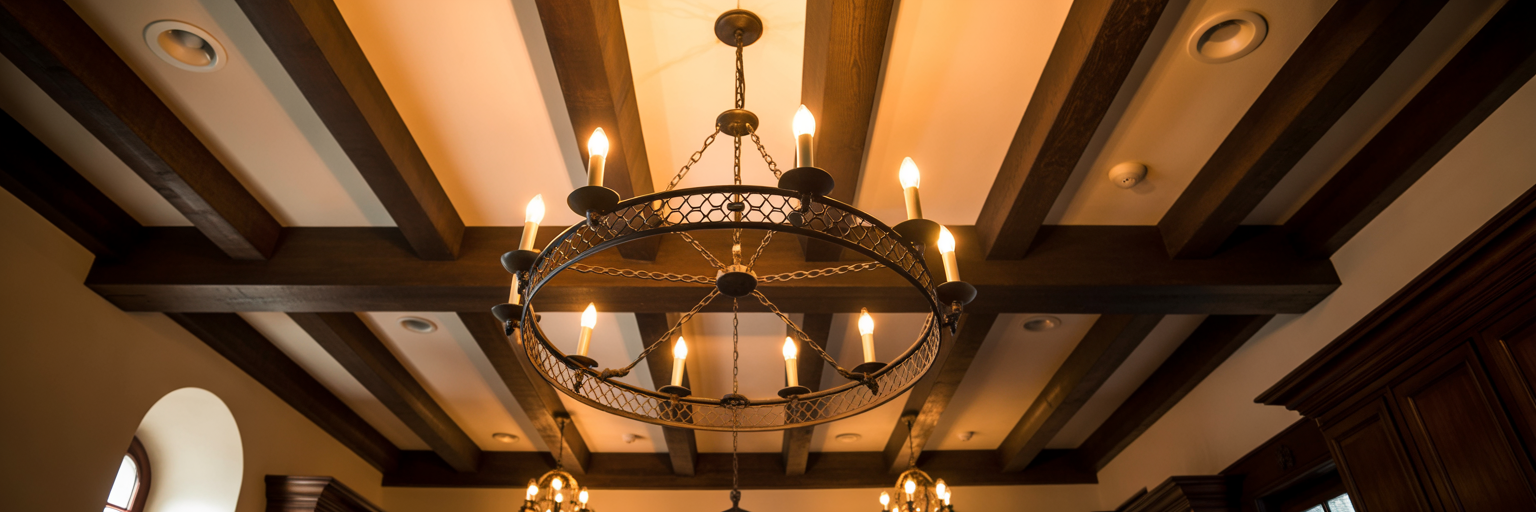
One of the biggest challenges in a Tudor kitchen with exposed beams and dark wood is ensuring it is adequately lit. The solution lies in a layered lighting strategy. Start with a statement fixture that enhances the aesthetic, like a wrought-iron chandelier or a set of lantern-style pendants over the island. These serve as decorative focal points. Next, add functional task lighting. Discreet, under-cabinet LED strips are perfect for illuminating countertops without disrupting the period feel. Finally, ensure all light sources are on dimmer switches. This simple addition gives you complete control over the atmosphere, allowing you to shift from bright, practical light for cooking to a warm, moody glow for entertaining. This balance ensures the kitchen is both beautiful and highly functional.
Integrating Modern Amenities Seamlessly
A historic home kitchen remodel requires a thoughtful approach to technology. The goal is to enjoy modern conveniences without them becoming a visual distraction. Here are a few strategies for how to modernize a Tudor style kitchen seamlessly:
- Appliance Panels: Custom cabinet panels are the best way to conceal refrigerators, dishwashers, and trash compactors. This allows them to blend in completely, maintaining the integrity of your cabinetry design.
- Statement Appliances: Instead of hiding everything, consider making the range a focal point. A high-performance range with traditional styling, robust knobs, and a classic color can become a beautiful feature that complements the design.
- The Right Sink: A deep farmhouse sink in Tudor home kitchens feels both authentic and practical. Materials like fireclay, soapstone, or hammered copper blend functionality with a timeless form.
- Integrated Storage: A well-designed butler’s pantry is perfect for hiding countertop appliances like mixers and coffee makers. For display, open shelving with heavy wood brackets offers a place for curated, period-appropriate dishware.
Maximizing Space in Classic Tudor Layouts

Many older Tudor homes feature smaller, more compartmentalized kitchens. When planning small Tudor kitchen remodel ideas, the key is to maximize every inch. Custom, floor-to-ceiling cabinetry provides immense storage, while clever built-ins like a window seat with hidden drawers can add function to an awkward corner. A compact kitchen island with classic turned legs can offer valuable workspace without overwhelming the room. A Tudor home kitchen renovation is full of unique challenges, but as we often find, even small changes can yield big dividends in functionality and flow. If you need help navigating these complexities to create a space that is both beautiful and perfectly suited to your life, we invite you to book a consultation with our design experts.