.avif)
The Modern Kitchen as a Social Hub
The architecture of the American home tells a story about how we live. In the mid-20th century, kitchens were often enclosed, functional spaces, tucked away from the formal living areas. This design separated the work of cooking from the act of socializing. Today, that separation feels outdated. The shift toward open kitchens is not just about removing walls; it reflects a fundamental change in our desire for connection and shared experiences.
An open-concept kitchen is an intentional design choice that dissolves the boundary between host and guest, allowing life to flow freely between cooking, dining, and relaxing. It transforms the kitchen from a utility room into the home's vibrant center. The goal is to create a space where you can prepare a meal while still being part of the conversation, helping with homework, or enjoying a glass of wine with friends. A truly successful design achieves a unified aesthetic while maintaining distinct functional zones. This philosophy of integrating kitchen and living room spaces is visible in the thoughtful approach of many modern renovations, as seen in our portfolio of completed projects.
Strategic Zoning for Seamless Movement

With the walls gone, how do you prevent an open layout from feeling like one large, undefined room? The answer lies in strategic zoning. This design discipline creates distinct areas for cooking, dining, and relaxing, ensuring the space feels organized and intuitive. It’s the invisible architecture that guides movement and activity, making the entire area more functional.
The Kitchen Island as a Social Anchor
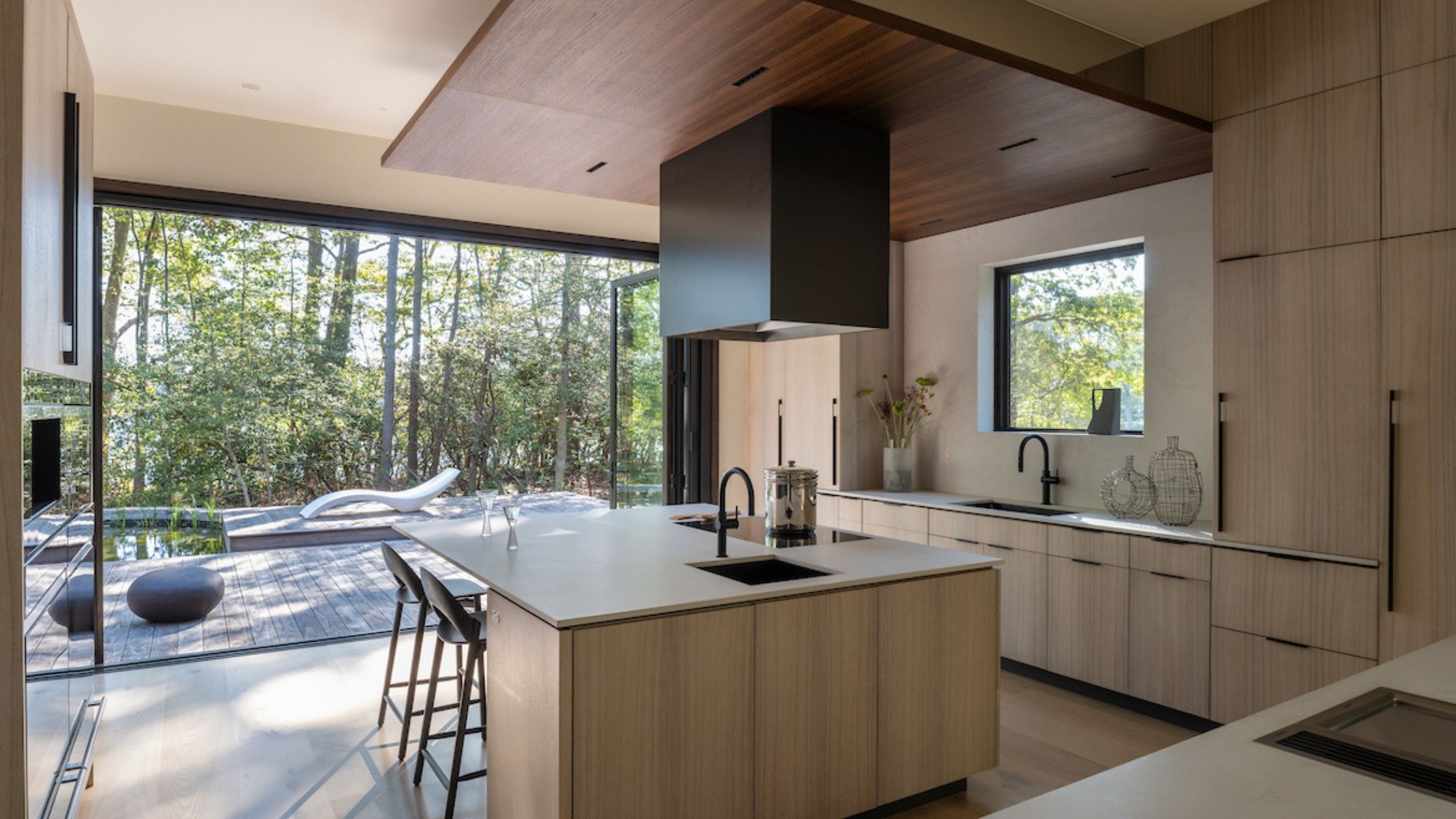
The kitchen island is often the most powerful zoning tool in an open layout. A well-executed custom kitchen island design does more than provide counter space; it acts as a natural boundary, a casual dining spot, a prep station, and a social hub where guests instinctively gather. Multi-level islands are particularly effective, with a lower, work-height surface for chopping and a raised bar-height section for seating. This simple variation creates a subtle separation, keeping guests comfortable while shielding any prep-related clutter from view.
Establishing Clear Traffic Patterns
A beautiful design is useless if it’s difficult to move through. A core principle of luxury kitchen layout design is establishing clear, unobstructed traffic patterns. The classic work triangle connecting the sink, stove, and refrigerator must function efficiently without crossing major pathways to the living or dining areas. We arrange cabinetry and furniture to create natural walkways, ensuring a seamless flow from the back door to the sofa. Architectural cues like a dropped ceiling over the kitchen or a shift in flooring from tile to hardwood can also visually define the space without adding a physical barrier. The right components, from cabinetry to countertops, are key to making these zones work, which is why we utilize a range of high-quality products in our designs.
Creating Unity with Cohesive Materials and Colors
Once the layout is perfected, the next step is to create a sense of visual harmony that ties the entire open-concept area together. A unified palette of materials and colors is the thread that connects the kitchen, dining, and living zones into a single, intentional space. Without this cohesion, even the best layout can feel disjointed.
We recommend selecting a core palette of three to four complementary colors and weaving them throughout the space. Imagine deep navy blue kitchen cabinets. That same shade can be echoed in the upholstery of the dining chairs or the throw pillows on the living room sofa. This repetition creates a rhythm that guides the eye and makes the entire area feel cohesive. The same principle applies to materials. Using the same quartz from the kitchen countertops for a nearby dry bar or the hearth of a fireplace creates a powerful visual link. As design experts at Houzz emphasize, repeating key materials and colors is crucial for a harmonious feel. One of the most effective open concept kitchen design ideas is using consistent flooring throughout, which instantly makes the space feel larger and more unified. This commitment to a cohesive vision is a hallmark of thoughtful design, an approach that has been consistently recognized in our industry awards.
Layered Lighting to Define Ambiance

In an open-concept kitchen, lighting is not just for illumination; it is a critical design tool for defining ambiance and reinforcing zones. A single, flat light source can make a large space feel sterile and uninviting. Instead, a layered lighting plan creates depth, mood, and functionality, allowing the room to adapt to different needs throughout the day.
A successful plan incorporates three distinct layers:
- Ambient Lighting: This is the general, overall light that makes the space usable. It often comes from recessed ceiling lights or a central fixture, providing a base layer of brightness.
- Task Lighting: This is focused, direct light for specific work areas. Think of under-cabinet LED strips that illuminate countertops for food prep, or a spotlight aimed directly over the sink.
- Accent Lighting: This is the decorative layer that adds character and creates a mood. A beautiful chandelier over the dining table or a series of statement pendants above the island serve as visual anchors, drawing attention and creating an intimate "room within a room" effect.
The key to making these layers work together is control. Dimmers and smart lighting systems are non-negotiable. They allow you to transition the space’s atmosphere effortlessly, from bright and functional for cooking a family meal to soft and intimate for evening entertaining.
Balancing Openness with Everyday Practicality
While the idea of an open, connected home is appealing, many homeowners have a valid concern: what about the noise and the mess? With the kitchen always on display, managing these practicalities is essential for creating a truly livable space. A functional open plan kitchen is one that anticipates and solves these real-world challenges.
We believe that thoughtful design provides the answers. Here are two key areas where smart choices make all the difference:
- Acoustic Management: The clatter of pots and pans doesn't have to dominate the entire living area. Investing in ultra-quiet appliances, especially dishwashers and ventilation hoods, is a crucial first step. We also recommend incorporating soft, sound-absorbing materials like area rugs, upholstered furniture, and drapery in the adjoining spaces to soften acoustics.
- Superior Storage Solutions: In an open kitchen, exceptional storage is a necessity, not a luxury. Custom solutions are designed to keep clutter out of sight. Full-height pantries, appliance garages that hide toasters and coffee makers, and deep drawers within the island are essential for maintaining a clean, serene look.
These practical choices are the foundation of a peaceful and functional open-concept home. Finding the right balance for your home is a detailed process, and we invite you to schedule a conversation with our design team to explore custom options tailored to your lifestyle.